Blog
Must‑Visit Picks Around Dallas, Texas, Dallas County
Dallas, Texas, unfurls a dynamic tapestry of heritage, artistry, and green refuges across Dallas County, inviting discerning explorers to pick singular places that reveal the city’s character in vivid strokes.
Historic Landmarks with Lasting Resonance
Start where the city’s story changed course. The Sixth Floor Museum at Dealey Plaza examines pivotal moments with sobering exhibits and panoramic windows framing the plaza’s geometry. Nearby, the John F. Kennedy Memorial Plaza offers contemplative space; its minimalist design isolates sound and stirs reflection. At Old Red Museum, a restored courthouse with turrets and sandstone masonry, galleries illuminate regional chronicles through artifacts and compelling narratives. Meander to Dallas Heritage Village at Old City Park, where preserved Victorian homes and storefronts evoke an earlier pace; boardwalks, porches, and picket fences place memory in motion. The district surrounding these landmarks encourages slow walking, careful looking, and an appreciation for architectural endurance.
Cultural Institutions and Artistic Flourish
In the Dallas Arts District, artistry converges at a grand scale. The Dallas Museum of Art balances antiquities and avant‑garde works, creating dialogues across centuries. Steps away, the Nasher Sculpture Center curates open‑air encounters with modern sculpture; dappled light filters through groves, lending texture to steel and stone. The Winspear Opera House and Wyly Theatre bookend the district with world‑class performance venues, their façades shimmering after dusk. Venture to the Meadows Museum at Southern Methodist University to see a preeminent collection of Spanish masterpieces, where brushwork and symbolism reward unhurried study. Street murals in nearby Deep Ellum add an improvised counterpoint—color splashed over brick, stories spray‑painted large.
Urban Green Spaces and Lakeside Leisure
Green space threads through Dallas with inviting continuity. Klyde Warren Park caps a freeway with lawns, food trucks, and shaded groves, a civic living room that hums from morning to twilight. The Katy Trail, a reclaimed rail corridor, beckons runners and cyclists under canopies of crepe myrtle and oak, weaving past pocket cafés and skyline vistas. On the eastern flank, White Rock Lake offers breezes, sailboats, and looping paths; birders scan for herons skimming the reeds while anglers wait in patient quiet. The Dallas Arboretum and Botanical Garden, set along the lake’s edge, unfurls seasonal displays—azaleas in riotous color, sculpted allées, and tranquil water features—ideal for slow photography and restorative walks. Each park provides a different cadence, from rambunctious playfields to contemplative gardens.
Neighborhood Strolls and Characterful Streets
Across the Trinity River, the Bishop Arts District delivers charm with independent galleries, dessert corners, and intimate bistros. Storefronts glow in the evening, and crosswalks buzz with conversation. In Deep Ellum, music venues and street art converge; on weekends, guitars and laughter spill onto patios in a jubilant hum. Uptown’s McKinney Avenue mixes polished restaurants with the historic M‑Line Trolley rattling past terraces; it’s equal parts nostalgia and modernity. Highland Park Village offers Spanish‑influenced architecture and manicured courtyards; window‑shopping becomes an aesthetic exercise. Farther south, the Oak Cliff Nature Preserve surprises with crisscrossing trails beneath hardwood canopies, a wild interlude minutes from urban bustle.
Skyline Views and Bold Architecture
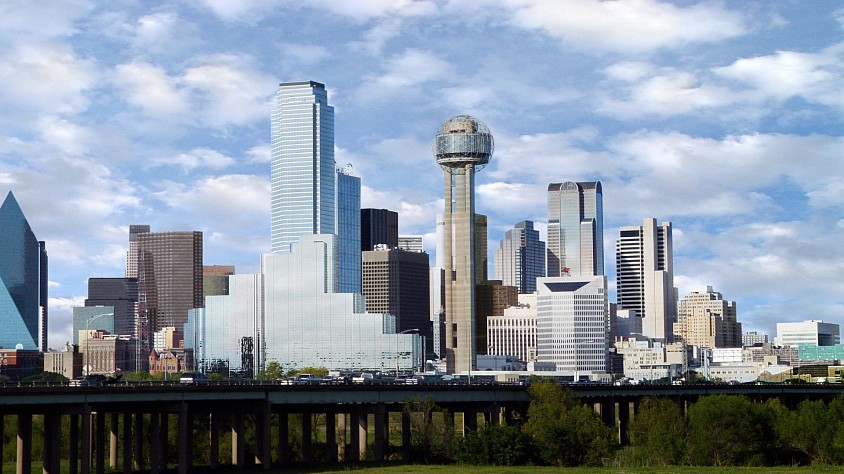
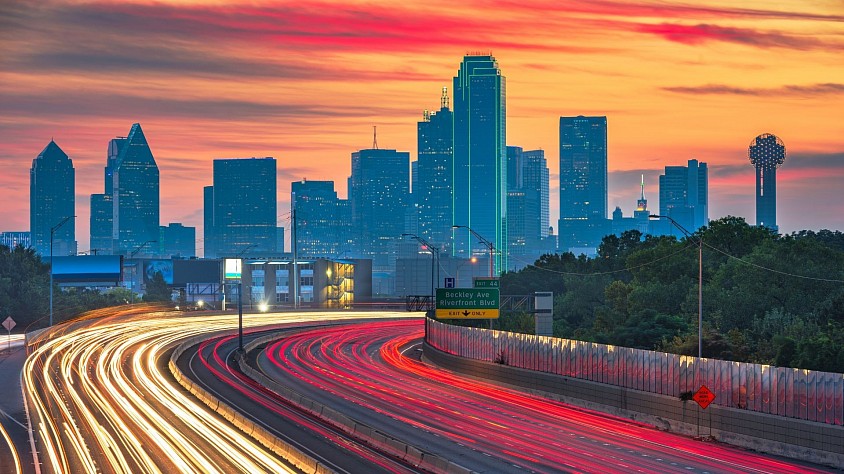
Seek perspectives that reset your sense of scale. Reunion Tower’s geodesic sphere rises above the city, delivering expansive views where highways curve like silver ribbons. The Margaret Hunt Hill Bridge arcs across the Trinity River with sculptural bravado; its white cables sketch elegant lines against twilight. Along the Continental Avenue Bridge, now a pedestrian promenade, families and photographers gather for sunset. Architectural enthusiasts will appreciate the Perot Museum of Nature and Science, a faceted cube that seems to cantilever into motion; its design alone invites scrutiny before stepping inside. Together, these vantage points reveal a metropolis constantly reshaping itself.
Family‑Friendly Science and Immersive Learning
Hands‑on discovery flourishes at the Perot Museum, where interactive halls encourage curious minds to tinker, test, and marvel. The Dallas World Aquarium layers habitats vertically—reef, rainforest, and riverine environments positioned to surround visitors with vibrant biodiversity. At the George W. Bush Presidential Center, exhibits explore civic life, leadership, and decision‑making; the surrounding native prairie plantings underscore sustainability within an academic setting. These institutions combine spectacle with substance, making them essential for families seeking both delight and depth.
Culinary Corridors and Market Moments
Taste buds find their compass in lively districts. Trinity Groves assembles innovative eateries at the foot of the Margaret Hunt Hill Bridge; patios frame bridge views while aromas from open kitchens intermingle. At the Dallas Farmers Market, seasonal produce, local artisans, and convivial halls invite grazing and conversation. Mockingbird Station blends transit‑linked shopping with cafés, easily paired with a Katy Trail stroll. In East Dallas, Lower Greenville’s patios, bakeries, and evening haunts establish a neighborhood rhythm that pulls you from one door to the next. Each corridor offers distinct terroir—savory, sweet, and unmistakably local.
A Curated Shortlist to Pick Right Now
Consider the following standouts for an immediate itinerary: Dealey Plaza and The Sixth Floor Museum, Klyde Warren Park, Dallas Museum of Art and Nasher Sculpture Center, White Rock Lake and the Dallas Arboretum, Bishop Arts District, Deep Ellum murals and music venues, Reunion Tower Geo‑Deck, Perot Museum of Nature and Science, Dallas Farmers Market, George W. Bush Presidential Center, Katy Trail, Margaret Hunt Hill Bridge and Continental Avenue Bridge, Dallas Heritage Village at Old City Park, Oak Cliff Nature Preserve, and Meadows Museum at SMU. Each selection layers context: history beside horizon lines, sculpture beside shade trees, markets beside riverbank promenades. The blend rewards leisurely pacing and spontaneous detours.
Practical Pairings and Thoughtful Timing
Pair sites by proximity to maximize the day without rushing. Combine the Arts District with Klyde Warren Park for culture plus picnic interludes; add the Perot Museum if energy allows. Match White Rock Lake with the Arboretum for a full morning of lakeside calm, then drift to Lower Greenville for lunch. Swing west at golden hour for bridge views along the Trinity, concluding with skyline panoramas from Reunion Tower. Weekdays yield gentler crowds, and early mornings unveil parks at their quietest. Comfortable footwear, a refillable water bottle, and a flexible mindset will keep the adventure effortless.
Why These Picks Endure
These places resonate because they fuse narrative with landscape. Murals weather sunlight, yet their colors persist; lake breezes cool concrete afternoons; museum corridors reframe memory until the city’s story becomes personal. Dallas, Texas, in the heart of Dallas County, excels at juxtaposition—steel and prairie, performance and porch swing, grit and gloss. Choose a handful now, return for the rest later. The city will continue to reveal itself, block by block, view by view, story by story.
Notable Places to Find and Pick Around Dallas, Texas, United States
Set your bearings in Dallas, where storied districts, verdant shorelines, and skyline marvels converge into a mosaic of must-visit places.
Historic Crossroads and Living Memory
Begin at Dealey Plaza, a national touchstone where urban form and history intersect in a poignant, walkable setting. The plaza’s grassy knolls, colonnades, and railroad overpass frame a compact landscape that still feels immediate—an architectural palimpsest layered with remembrance. Nearby, the Sixth Floor Museum deepens the experience with contemplative exhibits that illuminate the broader cultural context; it’s a sobering stop, yet indispensable for anyone who values civic memory. From here, amble to the Old Red Museum building and the surrounding courthouse square, where Romanesque arches and burnished brick telegraph the city’s early municipal ambitions. A short distance south, Dallas Heritage Village preserves pioneer-era structures beneath towering pecans, offering a pocket of quiet where clapboard porches and gabled roofs narrate the city’s earliest neighborhood life.
Artful Avenues and Urban Greenways
The Dallas Arts District unfurls across multiple blocks with a rare concentration of high-caliber institutions. The Nasher Sculpture Center pairs intimate galleries with a garden where modernist forms bask in dappled light—geometry softened by live oaks and clipped hedges. Across the way, the Crow Museum of Asian Art creates a serene corridor, its carved stone and lacquered artifacts resonating with contemplative grace. Between visits, head to Klyde Warren Park, an elevated green carpet above recessed traffic. Food trucks rotate along the edges, while native plantings, shaded seating, and a children’s area give the park a versatile charm. The urban choreography here is compelling: commuters, families, and travelers inhabit the same open-air salon, demonstrating how public space can stitch together a district’s cultural fabric.
Skyline Icons and Riverine Reaches
For a fresh vantage point, the Margaret Hunt Hill Bridge arcs over the Trinity River with sculptural bravado, its white, cable-stayed silhouette visible from multiple angles across the floodplain. Stroll the adjacent trails for photogenic views, particularly during golden hour when the skyline’s glass towers kindle with color. Continue to the Trinity River Audubon Center, where wide boardwalks skim wetlands thrumming with birdsong. The center’s eco-conscious design folds into the landscape, suggesting an ethos of restoration amid a metropolis better known for its expressways. On breezier days, the levees become casual amphitheaters for kites and sunset picnics. It’s a surprising, restorative chapter to any urban itinerary.
Neighborhoods with Character and Culinary Flourish
Bishop Arts District beckons with a neighborly cadence—brick sidewalks, mural-splashed walls, and storefronts that toggle between independent boutiques and inventive bistros. Meander slowly; the pleasure here lies in its serendipity. In Deep Ellum, street art sprawls across warehouses and alleyways, a kinetic gallery that shifts with each season. Music venues and small stages keep the legacy of live performance alive, while cafes and late-night eateries cradle the in-between hours. Up north, Highland Park Village presents a time-honored retail enclave whose Mediterranean Revival architecture lends a leisurely, old-world ambiance. Each neighborhood offers a distinct mood, making them easy to “pick” based on whether the day calls for high-energy exploration or languid people-watching.
Lakeside Calm and Botanical Splendor
White Rock Lake gives the city its inland shoreline, a circlet of trails popular with joggers, cyclists, and birders. Stop along the spillway overlook to watch light play across ripples, then press on to the Dallas Arboretum and Botanical Garden. Seasonal beds weave color through sculptural trees and tranquil fountains, where shaded benches invite lingering. Wander into secluded rooms of greenery and you’ll find artful plantings that elevate the everyday—tendrils, textures, and the careful choreography of bloom times. For added quiet, venture to Cedar Ridge Preserve on the city’s southwest fringe, where limestone escarpments and prairie pockets provide a short but rewarding escape. The views extend like a tapestry of cedar, oak, and distant rooftops.
Museums with Range and Resonance
The Perot Museum of Nature and Science rises like a faceted boulder, its angular lines set against a plaza strewn with native flora. Inside, interactive galleries spark curiosity, but even the exterior—ribboned with a kinetic escalator—feels like an ode to discovery. At the George W. Bush Presidential Library and Museum, rotating exhibits and a landscaped parkland create a campus-like calm, conducive to reflection. The Meadows Museum at Southern Methodist University focuses on Spanish art, its luminous galleries providing a thematic counterpoint to the district’s contemporary collections. Each institution contributes a distinct register, ensuring that a single day of museum-hopping reveals breadth without monotony.
Quick Picks Around the City
For a day punctuated by variety, consider the following options that pair proximity with personality: Reunion Tower’s observation deck for a sweeping perspective of the skyline and beyond, Pioneer Plaza where bronze longhorns surge across a manicured bluff celebrating trail-driving lore, Fair Park’s Art Deco architecture a proud ensemble best appreciated on foot among grand pavilions and ornate facades, the African American Museum at Fair Park offering rich cultural narratives rooted in regional heritage, AT&T Discovery District an animated plaza where digital art and dining converge in a polished urban core, Dallas Farmers Market a convivial nexus for seasonal produce, local fare, and casual gathering, and Katy Trail a ribbon of reclaimed railway that knits together leafy neighborhoods and lively patios.
Design Details, Daylight, and the Joy of Wandering
What unites these places is an attention to texture—stone against water, steel against sky, brick against painted mural. Notice how daylight sculpts everything: shadows track across the Nasher garden like clock hands; reflective cladding along the skyline performs its own weather report. Mornings are best for lakeside loops and garden paths, while evenings favor bridges and overlook points where the horizon unspools in saturated color. If the itinerary stretches, mix contrasts: a contemplative museum followed by a street-art ramble, or a historic plaza after a sleek green deck above the freeway. This alternation keeps the day elastic, with enough serendipity to feel both curated and improvised.
Putting It All Together
Dallas rewards a discerning eye and an unhurried pace. Fold iconic stops into a route that celebrates juxtaposition: history beside innovation, wetlands beside towers, neighborhoods beside cultural monuments. Let the Trinity basin’s breezes decide when it’s time to leave the river and ascend to a rooftop view. Let a mural’s chromatic blaze nudge you toward a gallery’s cool hush. Choose your moments with intent, and the city responds with dimension—layers of narrative, contours of design, and pockets of tranquility amid the metropolitan pulse. In the end, the most notable places are the ones that invite both pause and motion, turning a day of exploration into a well-knit journey.